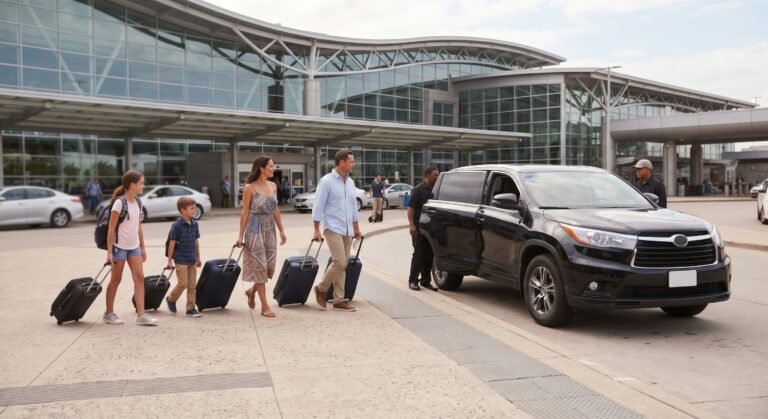
A wedding is the one event where getting transport wrong is genuinely visible, a car that does not show up, a decorated vehicle that arrives late, guests stranded between venues while everyone else has already moved on to the next function, all happening in front of everyone who matters most on that day. The question we get asked most on a wedding booking call is deceptively simple, how many cars do we actually need, and the honest answer depends on your guest count, your function schedule and how many days the celebrations actually run across.
The short answer
Most weddings need at least two different kinds of vehicles, a decorated car for the couple and immediate family, and one or more larger vehicles, a Tempo Traveller or Force Urbania, for moving guests between functions. The exact number scales with your guest count and whether functions happen across multiple days or venues. A wedding usually needs more than one car doing more than one job, and booking all of it as a single coordinated plan works out far smoother than arranging each trip separately as it comes up.
Why the budget sedan temptation usually backfires here specifically
It is tempting to save on guest vehicles by booking the smallest car that technically fits a headcount, the same way one might for a personal trip. A wedding is exactly the wrong place to apply that logic, since a cramped, packed vehicle shows on the guests’ faces the moment they step out, and the impression lingers for the rest of the event. Booking with a little genuine headroom, rather than the bare minimum capacity, is one of the cheapest ways to improve how the day actually feels for everyone involved.
Why a wedding is not a single car booking
Unlike a holiday trip or an airport drop, a wedding has several distinct transport needs happening on the same day or across several days, each with a different character. The couple’s car is about appearance and a comfortable, unhurried arrival. Moving parents and close family between the home, the venue and back is about reliability and timing. Moving the wider guest list, especially out of town guests staying at a hotel, is about capacity and scheduling. Treating these as one combined plan rather than three separate bookings is what actually makes a wedding day run smoothly rather than becoming a series of small transport crises.
Working out your actual car count, function by function
This is the practical starting point for every wedding booking conversation we have. Lay out your functions, your guest count at each, and whether out of town guests need to be moved as a group.
| Function | Who needs transport | Typical vehicle mix |
|---|---|---|
| Haldi | Usually a home or small venue affair, close family | Often no dedicated car needed, or one sedan for essentials |
| Sangeet | Wider family and friends, sometimes a separate venue | One decorated car plus a Tempo Traveller for guests if the venue is not walkable from the stay |
| Baraat | The groom’s side, moving as a group to the venue | A decorated car for the groom, plus one or more larger vehicles for the baraat party |
| Wedding ceremony | Both families, often the largest single gathering | Decorated cars for bride and groom, multiple Tempo Travellers or an Urbania for guests |
| Reception | Full guest list, sometimes a different venue from the ceremony | Same mix as the ceremony, scaled to the reception guest count if it differs |
Once you have this laid out, the actual number of vehicles becomes a straightforward sum rather than a guess, and it is exactly the exercise we walk through with every wedding booking before quoting anything.
The couple’s car, the one everyone notices
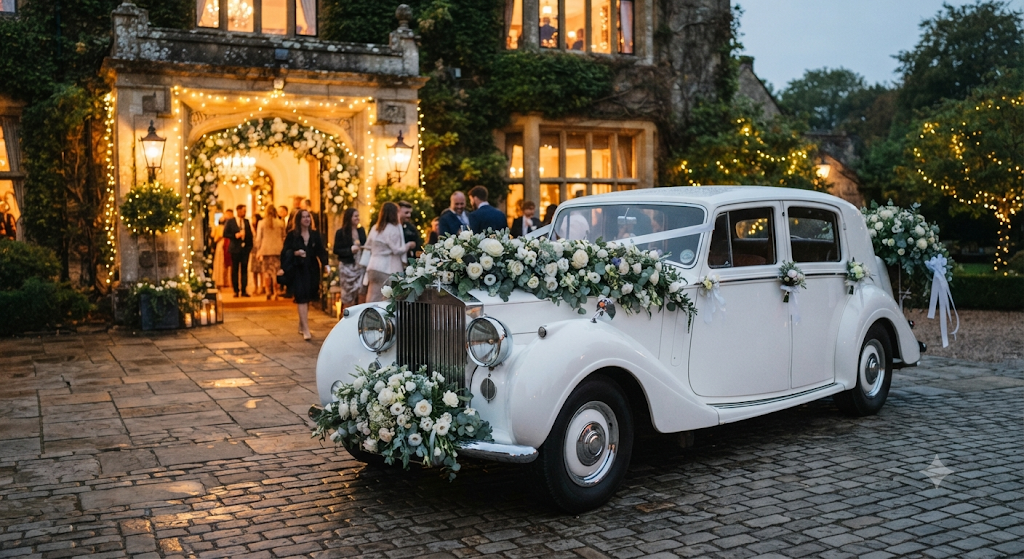
This is usually a decorated sedan or a more premium car, chosen as much for how it looks as for practical capacity, since it is carrying two people, not a group. Decoration is available on request, and mentioning it when you book means it is arranged and genuinely ready before the function, not a last minute scramble on the morning itself. This car typically runs across the full wedding day, from the baraat or the bride’s departure from home through to the reception, staying with the couple rather than being released and re-booked between functions.
Moving guests, where most weddings actually underestimate what they need
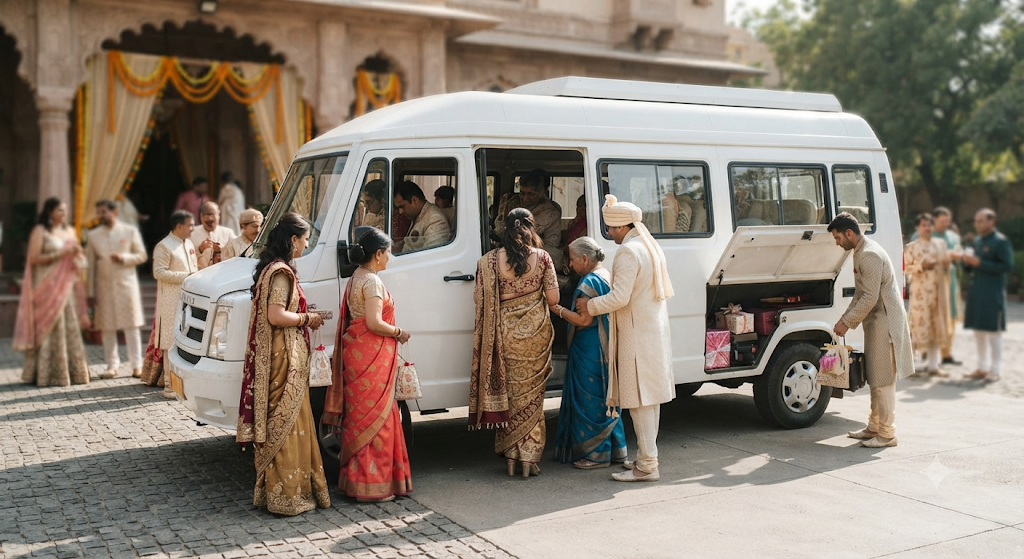
The single most common planning mistake is sizing guest transport off the venue’s total guest count rather than how many guests genuinely need a ride at any one time. Many guests arrive independently, by their own car or from nearby, and the vehicles you are actually booking need to cover specific groups, out of town relatives staying at one hotel, the groom’s immediate party for the baraat, or guests being moved between a ceremony venue and a separate reception venue. Counting these specific groups rather than the full guest list is what gets the vehicle count right.
| Group size needing transport | Recommended vehicle | Why |
|---|---|---|
| Up to 4 to 5, close family | Sedan or SUV | Comfortable for a small, defined group |
| 10 to 12, a tighter guest group | 12 seater Tempo Traveller | Right sized, no wasted capacity |
| 13 to 17, a medium guest group | 17 seater Tempo Traveller | Our most commonly booked wedding guest vehicle |
| 18 and above, or multiple families together | 26 seater Tempo Traveller or Force Urbania | Keeps a large group together rather than splitting across vehicles |
See our Tempo Traveller page for the full seating and rate detail across the three sizes, since matching the right size to your actual guest group, rather than guessing, is most of getting this right.
Multiple functions across multiple days, and why coverage matters more than day count
Many weddings run across two or three days, haldi one day, sangeet the next evening, the wedding and reception on a third. Tell us your full function schedule when you book, not just the main ceremony day, and we arrange coverage across every day and event rather than booking each one separately. This matters for the couple’s car especially, since using the same car and driver throughout means familiarity builds, the driver knows your venues and your family by the second or third function, which genuinely smooths out a long, multi day celebration compared to a different car showing up fresh each time.
How wedding car bookings are actually billed
Wedding cars are billed as a per day dedicated hire, the same local package structure used for any full day booking on this site, based on the car type you choose. There is no separate fixed wedding fare or wedding markup, the rate card you see for local hire applies the same way it would for any other full day booking.
| Car type | Local 8 hour package |
|---|---|
| Sedan | Rs 1,800 |
| SUV | Rs 2,400 |
| Innova Crysta | Rs 3,000 |
| Tempo Traveller | Rs 5,500 |
| Force Urbania | Rs 7,000 |
A multi car, multi function wedding booking is simply this same rate table applied across whatever combination of vehicles and days your function schedule needs, quoted as one coordinated booking rather than several separate ones.
Why early booking matters more for weddings than almost any other trip type
A wedding date cannot move if a car falls through, which is exactly why this is the one booking category where we push hardest on early confirmation. As early as possible once your date is fixed, ideally three to four weeks ahead, more during peak wedding season, is the real guidance, since good cars and drivers for wedding dates get booked up fast and a wedding date has zero flexibility to absorb a transport failure the way a holiday trip might.