This question comes up often enough at the Flywings desk that we can usually tell within the first sentence which family is asking it. Someone wants to take their parents or grandparents for Vaishno Devi darshan, the elders are genuinely keen to go, but their knees, hips or general stamina make the idea of a long trek understandably worrying. Most articles about visiting Vaishno Devi assume you are young, fit and travelling by train from far away. Very little is written for a family driving up from Mohali or Chandigarh with elderly parents in the car.
This guide covers exactly that, the part of the trip that happens before anyone even reaches Katra, and the choices available once you are there for someone who cannot or should not walk the full climb.
The short answer
Yes, elderly parents can absolutely do the Vaishno Devi yatra without trekking. The road journey from Mohali or Chandigarh to Katra by taxi is itself the easier and more comfortable half of the trip for someone with limited mobility, and once you arrive, helicopter, pony, palki and battery vehicle options exist specifically for pilgrims who cannot walk the climb. The real planning work is matching the right combination of these to your parents’ actual physical condition, not avoiding the yatra altogether.
Start with the part most guides skip: getting to Katra itself
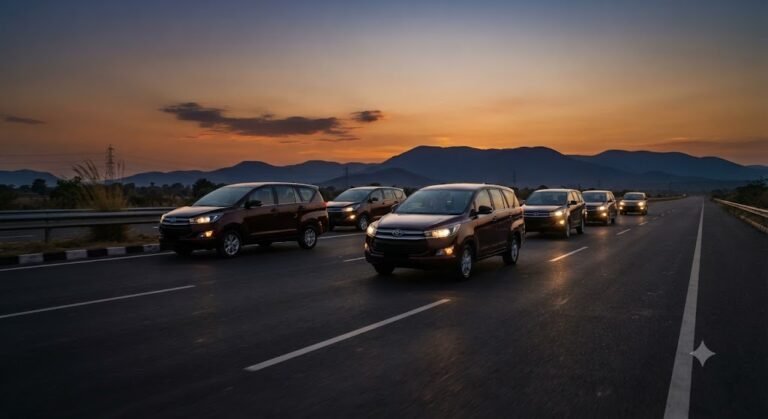
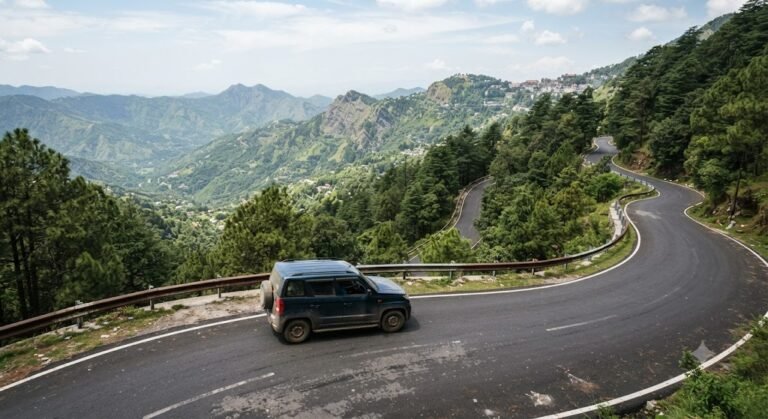
Before any conversation about the climb, there is a 360 km road journey from Chandigarh to Katra, taking roughly 7 hours by taxi. For an elderly traveller, how this leg is handled matters as much as anything that happens on the mountain.
| Option | How it suits an elderly traveller |
|---|---|
| Private taxi, door to door | Best option. No station transfers, no waiting on platforms, stops exactly when needed, luggage stays with you throughout |
| Train to Jammu, then local taxi to Katra | Workable, but adds a station transfer, luggage handling and a shorter but separate taxi leg at the end, more moving parts for someone with limited mobility |
| Flight to Jammu, then taxi to Katra | Fastest in the air, but airport security and walking through a terminal can be its own strain for some elderly travellers, and still needs a taxi for the final stretch to Katra |
For most families we work with, a single private taxi for the whole Chandigarh to Katra leg turns out to be the least stressful option once every alternative is actually compared, precisely because it removes every transfer point where an elderly traveller has to get up, walk, wait and get back into a different vehicle.
Which car actually suits an elderly passenger for this drive
Seven hours is a real stretch of time to sit in a car, and the right vehicle choice makes a genuine difference to how someone feels at the end of it.
| Car type | Why it works or does not for this trip |
|---|---|
| Sedan | Fine for one or two elderly passengers, lower entry height can be harder for someone with knee or hip trouble |
| SUV | Good middle option, more legroom and easier to get in and out of than a sedan |
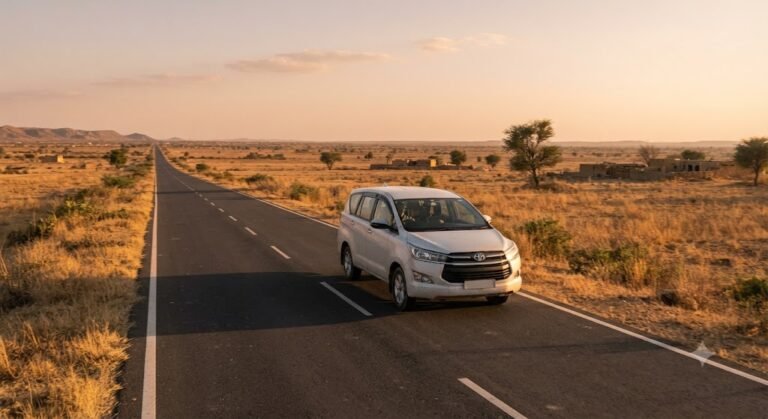
| Innova Crysta | Our most common recommendation for this trip. Higher seating position, easier entry and exit, and enough room to recline and stretch on a long drive |
If the group is only two or three people including the elderly parents, the extra room in an Innova Crysta over a sedan is usually worth the difference in fare, simply for how much easier the seven hour drive feels by the time you reach Katra.
Planning the drive itself around an elderly passenger
A few small adjustments to how the trip is booked make a real difference. Ask for extra stops built into the plan rather than treating them as an inconvenience, since a stretch and a short walk every couple of hours matters more for an elderly passenger than shaving thirty minutes off the total time. Consider an early start so the bulk of the drive happens in cooler morning hours rather than the heat of the afternoon. And if your parents take regular medication on a schedule, plan stops around that rather than the other way round. A driver who knows this is a family trip with elderly passengers, told upfront, will naturally pace the drive differently than one who assumes a standard booking.
Once you reach Katra: the options for the climb
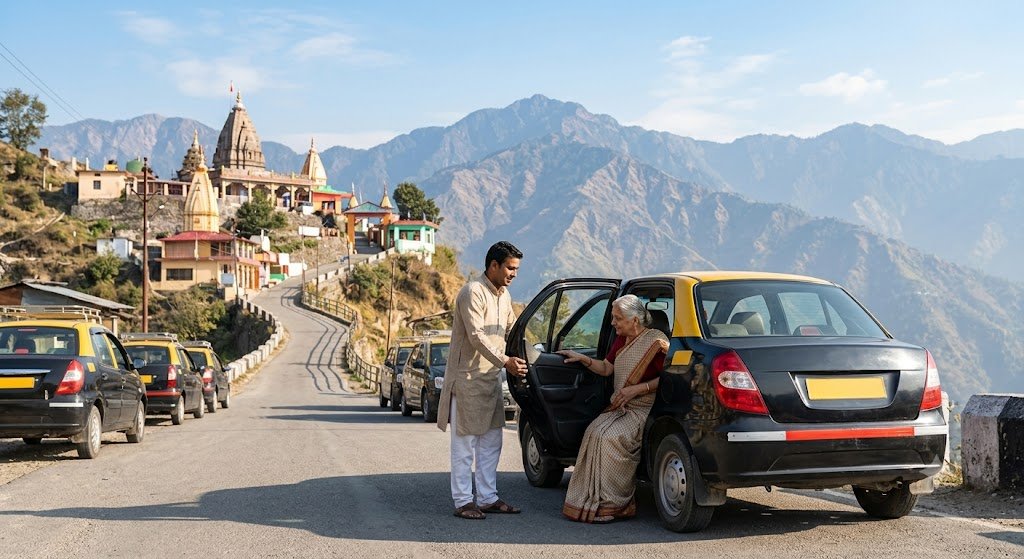
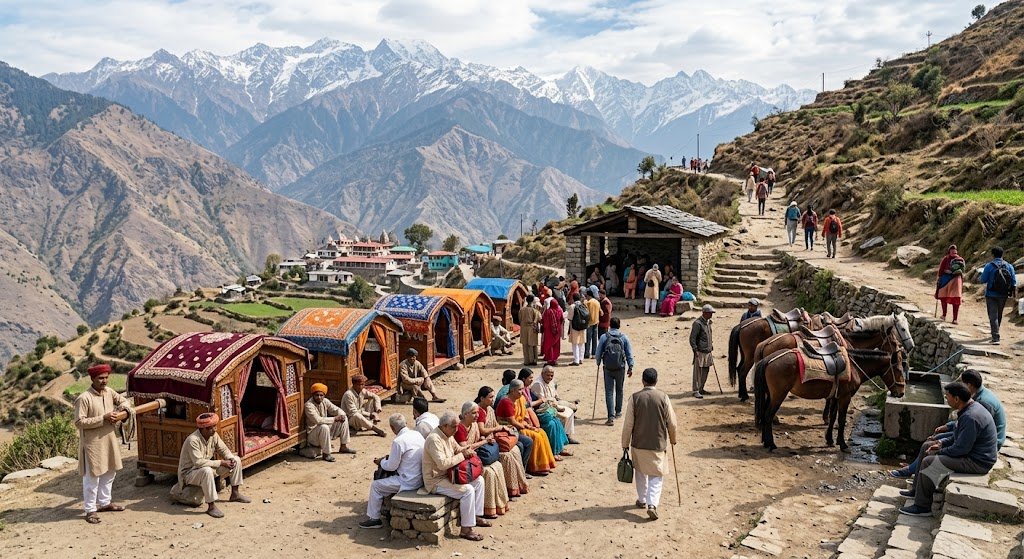
This is the part everyone actually worries about, and the good news is there are genuinely several ways to reach the Bhawan, the main shrine, without walking the roughly 13 km trek on foot.
| Option | How it works | Best suited for |
|---|---|---|
| Helicopter | Flies from Katra to Sanjichhat, close to the top, leaving a much shorter final stretch on foot or by pony | Elderly travellers who can manage a short walk at the end, and want to minimise time and exertion overall |
| Palki (palanquin) | Carried by four porters the entire way, no walking required at all | Anyone who genuinely cannot walk any part of the climb, including those with significant mobility limitations |
| Pony or horse | Rideable for most of the climb with a handler leading the animal | Elderly travellers comfortable on horseback and without balance concerns |
| Battery operated vehicle | Covers part of the lower stretch, typically up to around Ardhkuwari, not the full distance | Useful as a partial aid combined with another option for the remaining distance |
Helicopter tickets are limited in number and weather dependent, so they need to be booked in advance and treated as provisional until confirmed closer to the date. Palki is the most reliable option for someone who genuinely cannot walk any distance at all, since it does not depend on weather the way the helicopter does, though it typically needs to be arranged directly at Katra rather than booked online in advance.
Matching the option to your parents’ actual condition
This is worth being honest about rather than optimistic. If your parents can comfortably walk short distances and simply want to avoid a long trek, a helicopter to Sanjichhat followed by the shorter remaining walk usually works well. If walking any real distance is difficult, whether from joint pain, breathing difficulty or general frailty, a palki for the entire route is the more dependable choice, since it removes the walking requirement entirely rather than reducing it.
It is worth an honest conversation with your parents before the trip about which category they genuinely fall into, rather than assuming the more adventurous option will be fine on the day. Altitude at Bhawan is around 1,700 metres, not extreme, but combined with excitement and unfamiliar surroundings, it is common for people to overestimate what they can comfortably manage.
The return journey deserves the same planning as the way there
Most families plan the outbound leg carefully and then treat the return as an afterthought, which is a mistake with elderly travellers. After a climb, even one done by helicopter or palki, most people are more tired than they expect, including from the excitement and the early start the darshan usually requires. Do not schedule the return drive to Chandigarh for the same day you come down from Bhawan. Build in at least a half day of rest in Katra first, and if possible, break the return drive into a slightly later start the next morning rather than an immediate turnaround.
If your parents took the palki or pony up, ask about the same option for coming down, since descending is not automatically easier than climbing, particularly on joints. The pony and palki services at Katra operate in both directions, and there is no reason to assume the way down has to be on foot just because it is downhill.